
information centre / Industry Information / Comparing Stainless Steel and KCF Pins: What Exactly Makes Zirconia Ceramic Welding Locating Pins Superior?
Comparing Stainless Steel and KCF Pins: What Exactly Makes Zirconia Ceramic Welding Locating Pins Superior?
Introduction
In the fields of automotive manufacturing, automated welding, and precision tooling, welding locating pins are critical components for ensuring the positioning accuracy of workpieces and the stability of production processes. Particularly in resistance welding, spot welding, and automated welding operations, these pins must not only withstand repeated clamping and friction but also endure exposure to weld spatter, high temperatures, and complex production environments. While traditional stainless steel locating pins offer the advantages of ease of machining and good mechanical strength, KCF pins are often employed in specific applications that require electrical insulation or the reduction of weld spatter adhesion. As automated production demands increasingly higher standards for positioning accuracy, equipment stability, and maintenance efficiency, zirconia ceramic welding locating pins have emerged as a preferred material choice for certain types of welding tooling. So, what are the specific advantages of zirconia ceramic welding locating pins compared to stainless steel or KCF pins, and for which applications are they best suited?
Quick Links
Contact Us
Live
E-mail:sales01@hkceramic.com
What are the key differences between stainless steel, KCF, and zirconia ceramic locating pins?
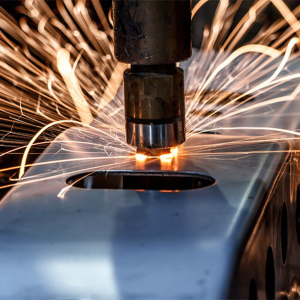
The positioning pins of resistance spot welding tooling usually need to take into account positioning accuracy, electrical isolation, wear resistance, thermal cycle and mechanical load. The performance focus of different materials is not the same.
| Comparison Items | Stainless steel locating pin | KCF locating pin | Zirconia ceramic locating pins |
|---|---|---|---|
| Electrical Characteristics | Conductive | Certain products feature a surface insulating layer. | Possesses good electrical insulation properties |
| Hardness and Wear Resistance | Depends on the steel grade and heat treatment | Depends on the substrate, surface layer, and product process | Possesses high hardness and shows good potential for wear-resistant applications. |
| Thermal expansion | Common austenitic stainless steels have a relatively high coefficient of thermal expansion. | Assessment should be based on specific product data. | The coefficient of thermal expansion for zirconia is approximately (10 × 10⁻⁶/°C). |
| Thermal conductivity | Typically higher than that of zirconia ceramics | Determination should be based on specific material data. | relatively low, approximately (2.5–3 W/(m·K)) |
| fracture toughness | Metals generally possess good plasticity and impact resistance. | Metal-based structures typically possess a certain degree of toughness, depending on the specific product. | Compared to many engineering ceramics, zirconia possesses superior fracture toughness, yet it remains a brittle material. |
| Structural Machining | Mature, suitable for a wide range of complex structures | Limited by specific materials and surface processes | Customization is possible through processes such as forming, sintering, and grinding; however, the structural design and processing costs must be evaluated. |
| Weld spatter adhesion | Weld spatter may adhere to metal surfaces. | Commonly used to reduce the risk of welding spatter adhesion | Ceramic surfaces can reduce certain metal adhesion issues, though the effectiveness depends on welding conditions and surface state. |
| Key Considerations | Electrical conduction, wear, thermal deformation, and adhesion | Surface Insulation Layer, Wear, and Thermal Cycling Performance | Insulation, thermal properties, wear resistance, brittleness, and installation stress |
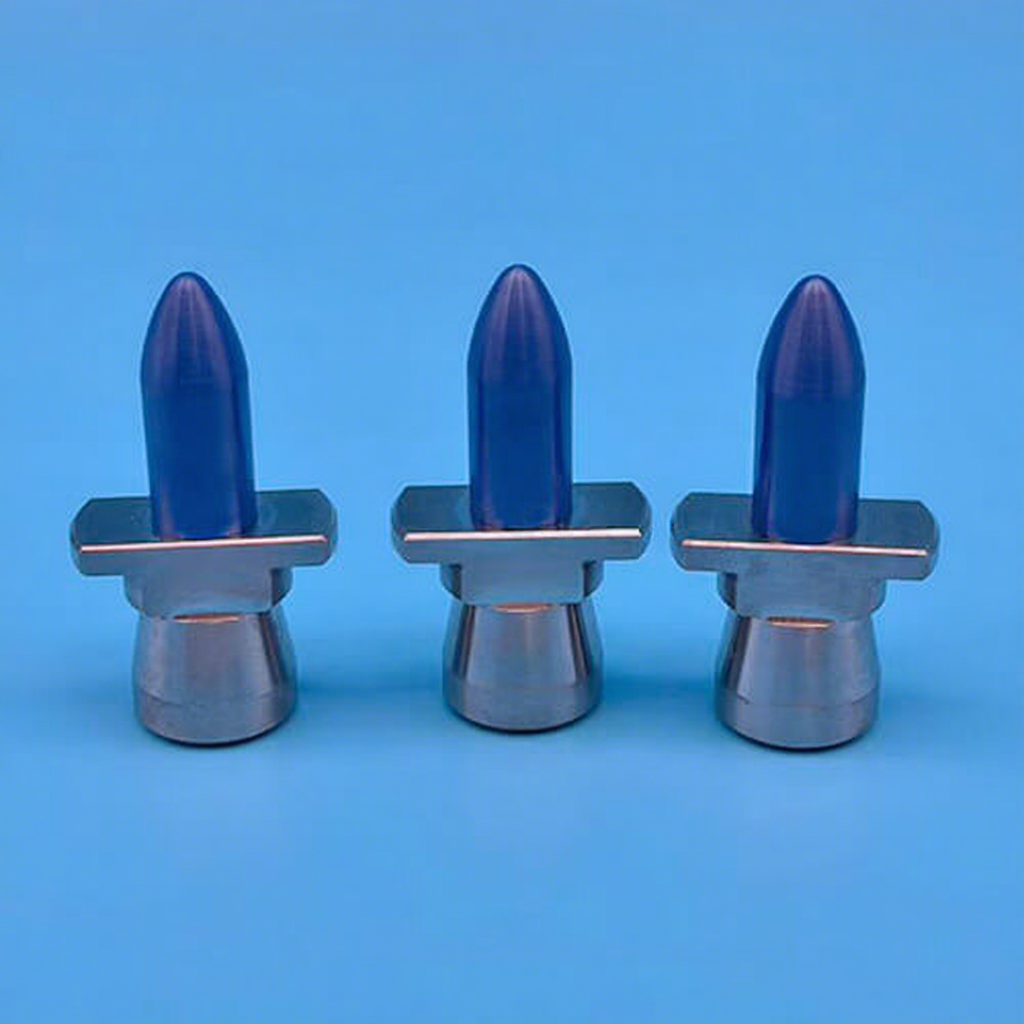
Note: The above points represent typical characteristics at the material level and do not necessarily reflect the measured performance of all individual products. For the specific performance of KCF products, please refer to the technical documentation for the relevant model.
Five Core Technical Advantages of Zirconia Ceramic Locating Pins
1. Thermal Expansion Characteristics: Helping to Control Dimensional Changes Caused by Temperature Fluctuations
During resistance spot welding, locating pins may be subjected to contact with hot workpieces, weld spatter, and heat conducted from the surrounding environment. As temperatures fluctuate, both the locating pins and their mating components undergo thermal expansion or contraction.
For tooling that requires high positioning accuracy, the coefficient of thermal expansion (CTE) is a critical parameter for material selection.
The linear thermal expansion coefficient of typical zirconia ceramics is approximately $10 \times 10^{-6}/^\circ\text{C}$, whereas that of common austenitic stainless steel is typically in the range of $16–18 \times 10^{-6}/^\circ\text{C}$. Under ideal conditions—assuming equal lengths, identical temperature changes, and unconstrained expansion—zirconia will exhibit a smaller magnitude of thermal expansion.
This implies that, given appropriate operating conditions and structural design, zirconia ceramics can help control dimensional variations resulting from temperature changes.
It should be noted that zirconia is not a zero-expansion material. The difference in thermal expansion between the locating pin and the metal fixture can generate interfacial stress; therefore, factors such as mating clearances, mounting constraints, and operating temperatures must be carefully considered.
Application Value: For welding tooling that requires precise control over positioning dimensions, involves repetitive clamping, and is subject to thermal loads, zirconia ceramics are a material option worth evaluating.
2. Thermal Shock and Thermal Cycling Resistance: Beyond Maximum Temperature Tolerance
During continuous welding processes, locating pins may undergo repeated cycles of localized heating and cooling. A material’s resistance to thermal shock depends not only on its maximum operating temperature but also on factors such as its coefficient of thermal expansion, thermal conductivity, elastic modulus, strength, fracture toughness, and the temperature gradients experienced.
Zirconia ceramics, characterized by relatively low thermal conductivity and good fracture toughness—provided the appropriate grade and design are selected—can be suitable for locating components that must withstand thermal cycling.
However, low thermal conductivity does not automatically guarantee superior thermal shock resistance. Because heat conducts slowly, rapid localized heating can create steep temperature gradients, thereby increasing thermal stress. Consequently, the suitability of zirconia ceramics for a specific spot-welding cycle must be verified based on actual temperature fluctuations and the specific geometry of the component.
Key aspects to evaluate include:
Temperature variations on the surface and within the interior of the locating pin;
Cooling behavior following an individual weld;
The frequency of thermal cycles during continuous production;
Stress-concentration zones, such as the base, stepped sections, and apertures;
The occurrence of cracks, edge chipping, or dimensional changes after actual service.
Practical Implication: For tooling intended for long-term, continuous operation, the selection process should incorporate thermal cycling tests and service-life validation, rather than relying solely on a material’s maximum temperature rating.
3. Low Thermal Conductivity: Beneficial for limiting rapid heat conduction, though localized temperature differentials warrant attention.
The thermal conductivity of common zirconia ceramics is approximately 2–3 W/(m·K)—generally lower than that of metals like stainless steel.
In applications such as welding locating pins, this characteristic means that heat travels through the pin relatively slowly, which can help reduce the rapid transfer of heat into certain parts of the fixture structure.
However, low thermal conductivity also means that localized heat may not dissipate quickly. Therefore, low thermal conductivity should not be equated with superior heat dissipation or enhanced thermal shock resistance.
The actual outcome depends on factors such as the heat source, points of contact, component dimensions, temperature gradients, and the mounting configuration.
Practical Application: For tooling that requires both the control of localized heat transfer and stable positioning, the low thermal conductivity of zirconia ceramics can be leveraged as a design parameter, rather than being viewed merely as an isolated performance benefit.
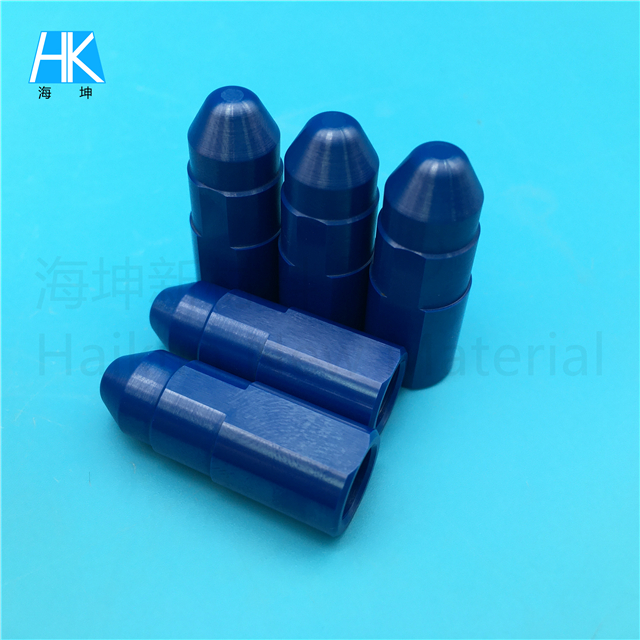
4. Superior Fracture Toughness: Enhancing the Resistance of Ceramic Components to Crack Propagation
Compared to many conventional engineering ceramics, zirconia exhibits superior fracture toughness. Certain types of zirconia materials can even leverage a “transformation toughening” mechanism to further enhance their resistance to crack propagation.
This is particularly significant for locating pins, which are subject to repeated clamping, contact loads, and thermal stresses.
However, it is important to clarify: high fracture toughness does not mean that a ceramic can undergo significant plastic deformation like a metal, nor does it guarantee that the material will be immune to chipping or fracturing.
The actual reliability of a ceramic component is influenced by various factors, including the specific material grade, the presence of defects, surface finish quality, component cross-section, the geometry of notches, and the direction of applied loads.
Therefore, when designing zirconia ceramic locating pins, one should avoid sharp internal corners, excessively thin cross-sections, and structurally unsound load-bearing configurations to minimize stress concentrations and the risk of crack initiation.
Application Value: For tooling components that require high hardness and wear resistance—while also demanding improved resistance to cracking—zirconia is a material option well worth considering.
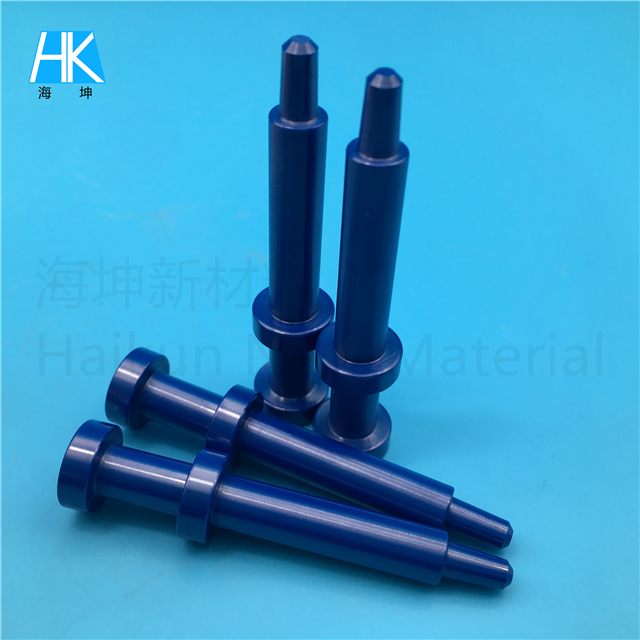
5. Electrical Insulation and Wear Resistance: Optimizing Comprehensive Performance for Specific Welding Conditions
Zirconia ceramics typically offer excellent electrical insulation, combined with high hardness and strong potential for wear-resistant applications.
In resistance spot welding tooling, electrical insulation facilitates isolation at specific locations, while wear resistance helps mitigate surface degradation caused by repetitive clamping and positioning contact.
If existing positioning pins suffer from wear, positional inaccuracy, or require electrical isolation, zirconia ceramics should be considered as a potential alternative.
However, the actual performance must be evaluated based on factors such as the welding current path, workpiece material, contact pressure, frictional conditions, cleaning methods, and assembly structure. It should be noted that ceramic surfaces are not guaranteed to be entirely free from weld spatter adhesion, and electrical insulation properties must be verified under actual operating temperatures and service conditions.
For which resistance spot welding applications are zirconia ceramic locating pins suitable?
Zirconia ceramic locating pins should be implemented only after validation under specific operating conditions; they are not intended as a universal, unconditional replacement for all metal or KCF locating pins.
Spot-Welding Fixtures for Automotive Components
Suitable for fixture assemblies that require precise repeat positioning, wear resistance, and localized electrical insulation. Material suitability should be verified based on specific welding cycle times and positioning accuracy requirements.
Nut and Stud Welding Equipment
For locating structures that require electrical isolation, the insulating properties, mechanical strength, and installation reliability of ceramic pins should be evaluated. In areas subject to direct impact or lateral loads, particular attention must be paid to the risks associated with the inherent brittleness of ceramics.
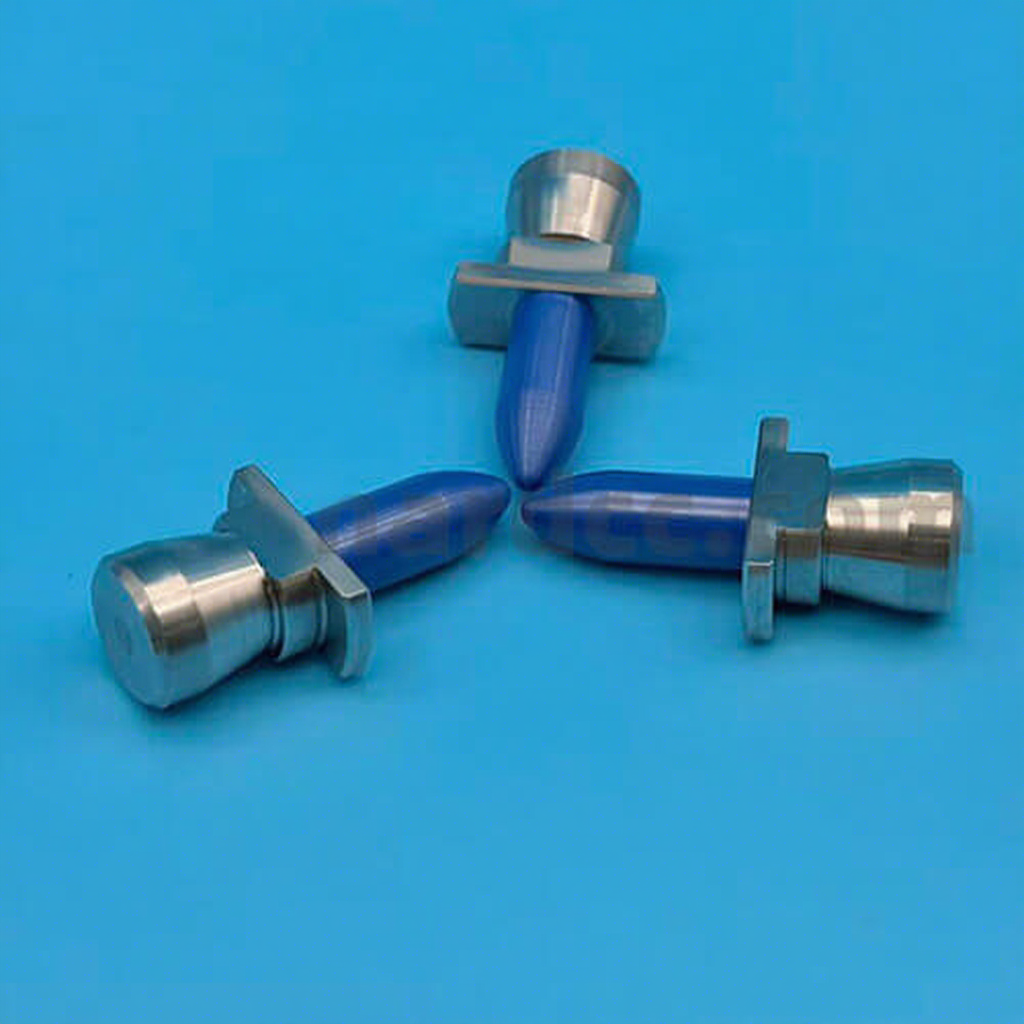
Automated Welding Production Lines
In cases where locating pins are frequently involved in clamping—and where wear or dimensional changes could compromise production stability—continuous operation tests can be conducted to compare different materials in terms of positioning accuracy, maintenance frequency, and actual service life.
Tooling Structures Requiring Reduced Metal Thermal Conduction
For designs where it is necessary to limit heat transfer to specific components, temperature measurement and structural analysis can be used to evaluate whether the low thermal conductivity of zirconia ceramics offers tangible benefits.
How should zirconia ceramic positioning pins be designed to leverage the material's advantages?
Material properties are merely the foundation; the structural design of the component and its installation method are equally critical to its performance in actual application.
1. Optimize the base and transition zones of the locating pin
The structural design of metal locating pins should not be directly replicated for ceramic versions. In areas such as shoulders, reduced-diameter sections, internal bores, or the roots of threaded features, avoid sharp corners and excessive thinning of material. Assess the risk of stress concentration based on the actual loads the component will encounter.
2. Establish appropriate installation clearances and avoid improper interference fits
Due to the inherent brittleness of ceramics, local stress must be strictly controlled during installation. Excessive interference fits, forced press-fitting, or uneven clamping can lead to the formation of latent cracks during the assembly process.
It is recommended to design clearances based on the required positioning accuracy, operating temperature, and the properties of the mating materials. Where necessary, employ support or clamping structures specifically designed for ceramic components.
3. Manage contact loads and impact forces
If a locating pin is subjected to significant lateral forces, impacts, or bending loads during clamping or operation, the ceramic cross-section and support configuration must be evaluated for reliability. In high-impact environments, consider comparing the ceramic solution against alternatives such as tougher metals or KCF (a metal-ceramic composite material).
4. Monitor machining quality and surface defects
Edge chipping, micro-cracks resulting from machining, and other surface defects can compromise the reliability of ceramic components. For critical mating surfaces, establish specific requirements for machining, visual inspection, and dimensional verification.
5. Validate through real-world welding conditions
Conduct trials using actual workpieces, production-standard welding parameters, and continuous production cycles. Monitor and record data regarding the locating pin’s temperature fluctuations, wear, the appearance of cracks or edge chipping, positioning deviations, and the service life (replacement interval).
Only through comparative testing can one determine whether the optimizations made to the material and structural design have truly improved overall performance.
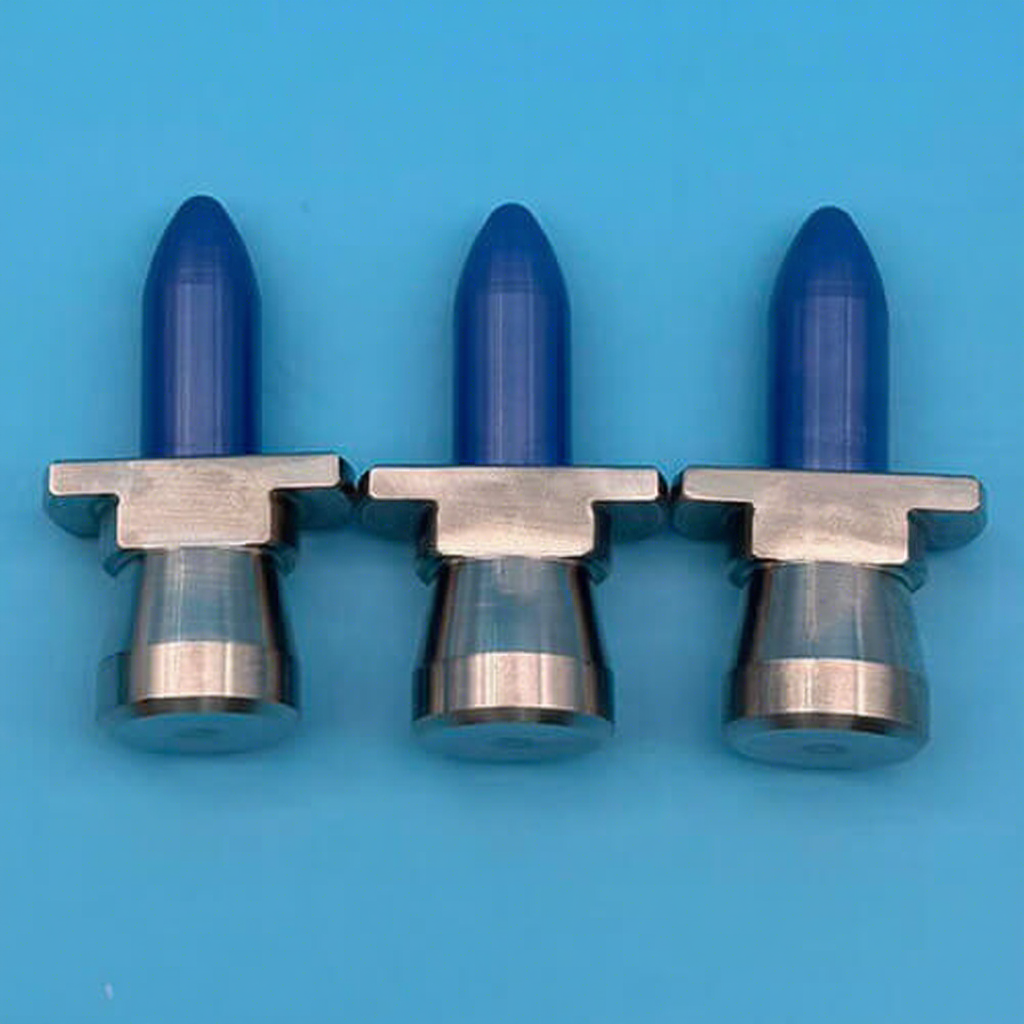
Haikun Precision Ceramics: Custom-made Zirconia Ceramic Welding Locating Pins (Based on Drawings)
When selecting materials for welding locating pins, one should not rely on a single parameter. For resistance spot welding tooling, it is necessary to consider a combination of factors: electrical insulation, wear resistance, thermal expansion, thermal cycling, fracture toughness, and assembly reliability.
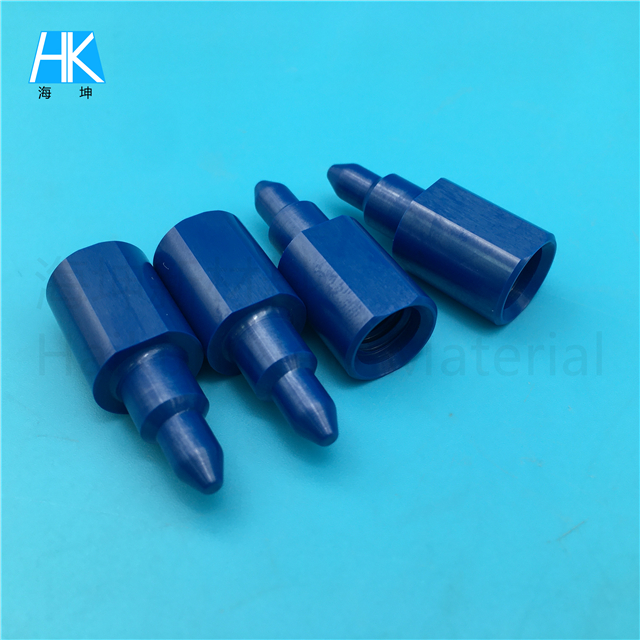
Dongguan Haikun New Materials Co., Ltd. specializes in the custom processing of precision industrial ceramic components. We evaluate the material, dimensions, structure, and manufacturing feasibility of zirconia ceramic locating pins based on client drawings, samples, and specific application requirements.
Our customization services focus on the following areas:
Manufacturing to Specifications: Assessing processing strategies based on product dimensions, tolerances, and structural requirements.
Material Selection: Identifying the optimal ceramic material by considering the welding environment, mechanical loads, and insulation needs.
Structural Optimization: Focusing on features such as stepped transitions, assembly fits, and the mitigation of stress concentrations.
Precision Machining: Developing comprehensive plans for forming, sintering, and subsequent precision finishing tailored to the component’s geometry and accuracy requirements.
Application Validation: Assisting in the definition of validation protocols to address potential issues such as wear, cracking, positioning inaccuracies, or thermal cycling effects.
If you are considering replacing stainless steel pins or existing KCF pins with zirconia ceramic locating pins, we recommend first identifying the root cause of failure for your current components, then determining the appropriate material and structural design based on your specific welding operating conditions.
Obtain a custom solution for zirconia ceramic welding locating pins
For resistance spot welding tooling, a truly valuable material upgrade is not merely about pursuing higher hardness or lower thermal expansion. Instead, it requires balancing positioning accuracy and electrical requirements with thermal cycling resistance, wear resistance, structural reliability, and overall cost-effectiveness.
Haikun Precision Ceramics offers custom, non-standard solutions based on your drawings, samples, and specific operational conditions.
To streamline the selection process, please provide the following information when inquiring:
Drawings or photographs of the positioning pins;
The material currently in use and the existing product model;
Welding process, workpiece material, and production cycle time;
Operating temperature of the positioning pins (or measurable temperature fluctuations);
Current primary issues and desired performance improvements;
Critical dimensions, tolerances, and mounting methods.
With this information, we can conduct a targeted assessment of the suitability, structural risks, and expected value of using zirconia ceramic positioning pins.
Haikun Precision Ceramics — Custom processing of precision industrial ceramic components, providing solutions for material optimization in welding tooling.
Relevant information