
information centre / Industry Information / What are the processing methods for alumina ceramics? Learn the complete process flow in one article.
What are the processing methods for alumina ceramics? Learn the complete process flow in one article.
Introduction
In the field of precision ceramics, alumina ceramics (Al₂O₃) are widely used in electronics, power, machinery, semiconductor and other industries due to their high hardness, wear resistance, high temperature resistance and good electrical insulation properties. However, many customers have a question when selecting alumina ceramics: how are such hard alumina ceramics processed into various precision parts? In fact, the processing of alumina ceramics is not a single process, but a complete process system encompassing forming + sintering + precision machining. Let’s take a systematic look below.
Quick Links
Contact Us
Live
E-mail:sales01@hkceramic.com
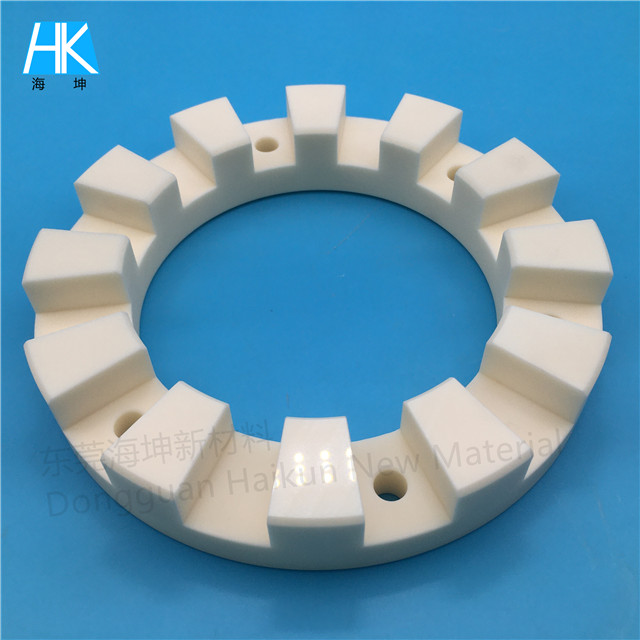
Basic ideas for alumina ceramic processing
Unlike metals, alumina ceramics have the following characteristics:
High hardness (HV1600)
High brittleness (poor impact resistance)
Lack of plasticity (cannot be deformed like metals after sintering)
Therefore, its processing logic is:
First, shape → then sinter → finally, finish.
Instead of being “directly cut and shaped” like metal.
Molding stage: Determining the basic shape
Before sintering, alumina is in a “green” state, which is a critical stage for the formation of its structure.
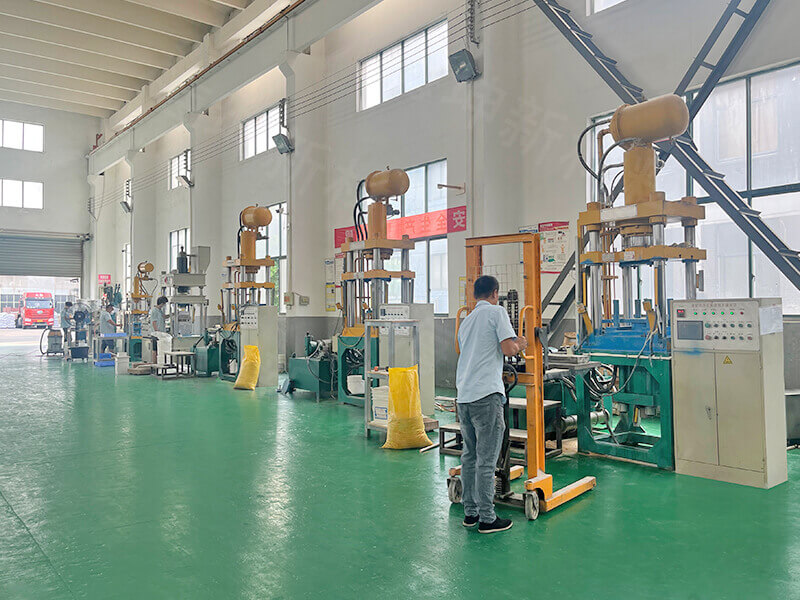
1. Dry pressing
Suitable for simple structures (sheets, blocks, discs)
Dimensionally stable, high efficiency
Low cost
👉 Commonly used in: ceramic substrates, gaskets, etc.
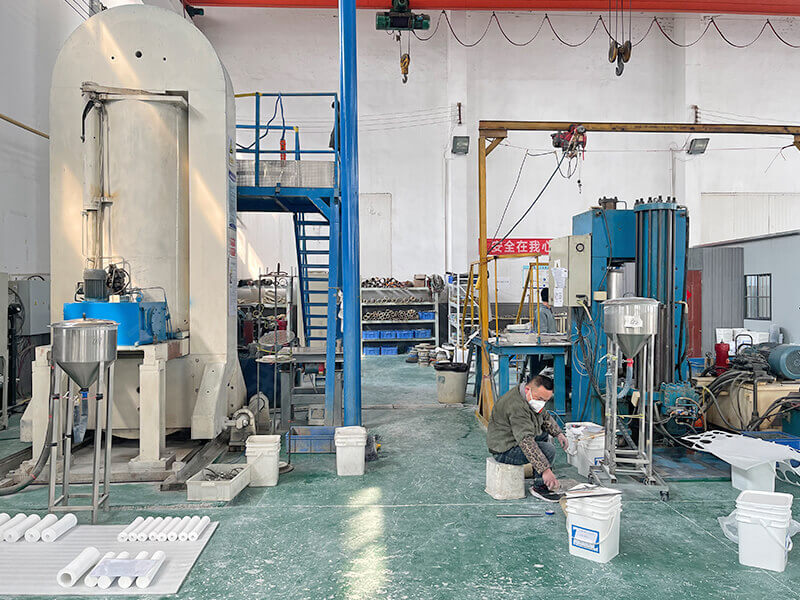
2. Isostatic pressing
Uniform stress distribution in all directions
High density
Suitable for parts requiring high strength
👉 Commonly used in: bushings, bars, cylindrical parts
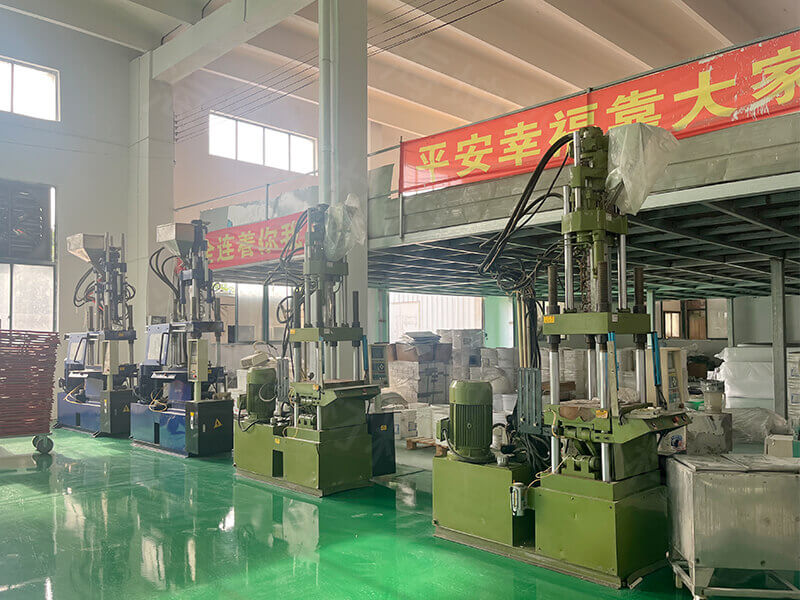
3. Injection Molding
Capable of creating complex structures
High precision, stable batch production
👉 Commonly used for: irregularly shaped precision ceramic parts
4. Extrusion molding
Suitable for long tubes and strips
High continuous production efficiency
👉 Commonly used for: long ceramic tubes and rods
Sintering stage: Determines performance
After molding, the alumina needs to undergo high-temperature sintering (typically 1500–1700℃):
To increase density
To achieve final strength and hardness
To fix dimensions (but this will cause shrinkage).
👉 Key point:
Sintering shrinkage rate needs to be compensated for in advance, otherwise the dimensions will deviate.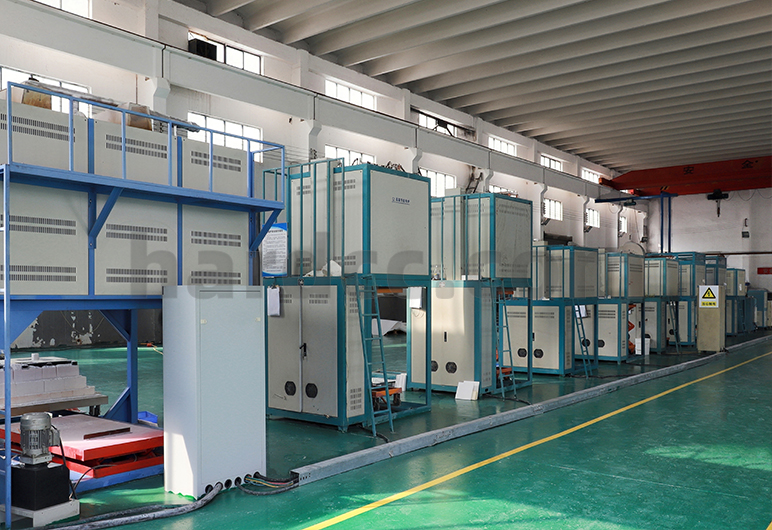
Precision machining stage: Achieving high precision and high surface quality
The sintered alumina ceramics have extremely high hardness, so special processing methods must be used.
1. Diamond Grinding Machining
External cylindrical grinding, surface grinding, internal hole grinding
Hole diameter accuracy up to ±0.003 mm
Roundness up to ±0.0005 mm
👉 The most commonly used and critical machining method
2. Laser Processing
Used for drilling, cutting, and microstructure processing
Minimum hole diameter down to 0.04mm
👉 Suitable for ceramic substrates and electronic devices
3. Ultrasonic Machining
Suitable for hard and brittle materials
Can process complex shapes or micropores
👉 Reduces cracking and chipping
4. Polishing and Finishing
Achieve a mirror finish
Improve sealing performance and fitting precision
Roughness can reach Ra≤0.02
Parallelism can reach ±0.002 mm
👉 Commonly used in: Seals, precision sliding parts
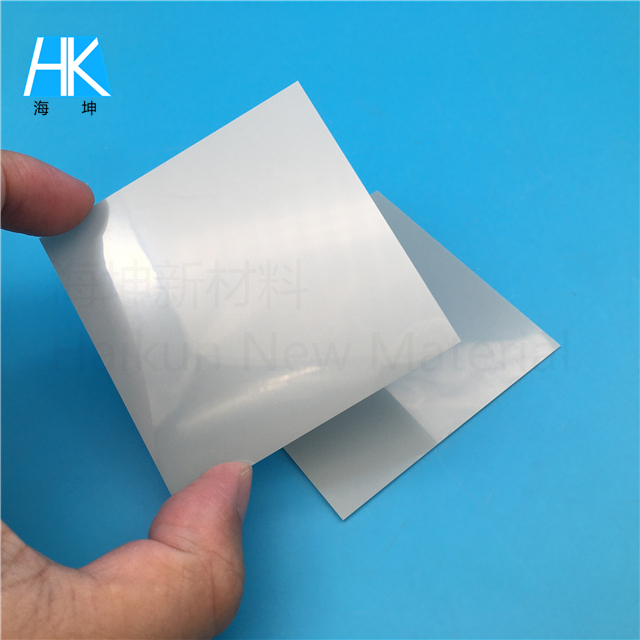
5. CNC precision machining
Processing of some pre-sintered or semi-sintered materials
Improving efficiency and consistency
For information on other finishing processes, please consult Haikun’s online customer service.
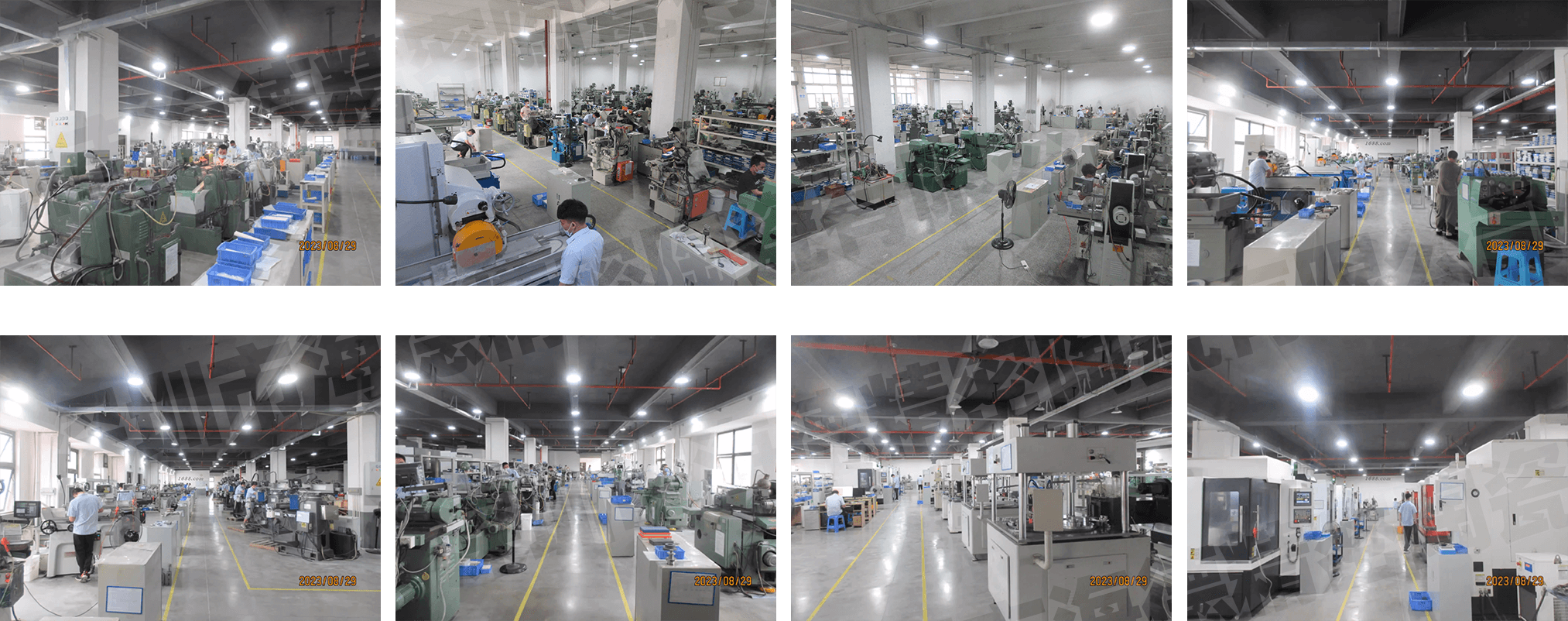
Key challenges in alumina ceramic processing
In actual production, the main difficulties in processing alumina ceramics are:
Easy to chip and crack
Difficult to control dimensions (sintering shrinkage)
Lower processing efficiency than metals
High requirements for equipment and processes
👉 Therefore, processing capability often determines product quality.
Why is choosing a professional ceramic manufacturer more important?
Alumina ceramics are not simply “easy to manufacture” and “stable mass production” are two different things.
Mature manufacturers typically possess:
✔ A complete molding + sintering + processing system
✔ Shrinkage compensation and structural optimization capabilities
✔ High-precision grinding equipment
✔ Batch consistency control capabilities
👉 This directly determines the product’s precision, lifespan, and stability.
Alumina ceramics are not inherently “difficult to process,” but rather require the correct processing methods and a proven system of experience.
From molding to sintering, and then to precision machining, each step determines the final quality.
For high-precision, high-reliability applications, choosing the appropriate processing technology and a professional manufacturer is more crucial than simply selecting the material.
👉 Haikun Precision Ceramics Factory supports:
Non-standard customization (provided drawings/samples)
Precision grinding and polishing
Laser micro-hole processing
Stable batch delivery
Relevant information