
information centre / Industry Information / Which is more wear-resistant, silicon nitride ceramic products or high-chromium products?
Which is more wear-resistant, silicon nitride ceramic products or high-chromium products?
Introduction
In high-wear environments such as mining, metallurgy, pumps and valves, chemicals, and machinery, **wear resistance** almost entirely determines the lifespan and maintenance costs of equipment. For a long time, **high-chromium alloys (high-chromium cast iron)** have been considered the “old-school material” in the field of wear resistance. However, in recent years, more and more companies have begun to use silicon nitride ceramic products (Si₃N₄) to replace high-chromium products. So the question arises: 👉 Which is more wear-resistant, silicon nitride ceramic products or high-chromium products? The answer is far more technical than simply “which is harder.”
Quick Links
Contact Us
Live
E-mail:sales01@hkceramic.com
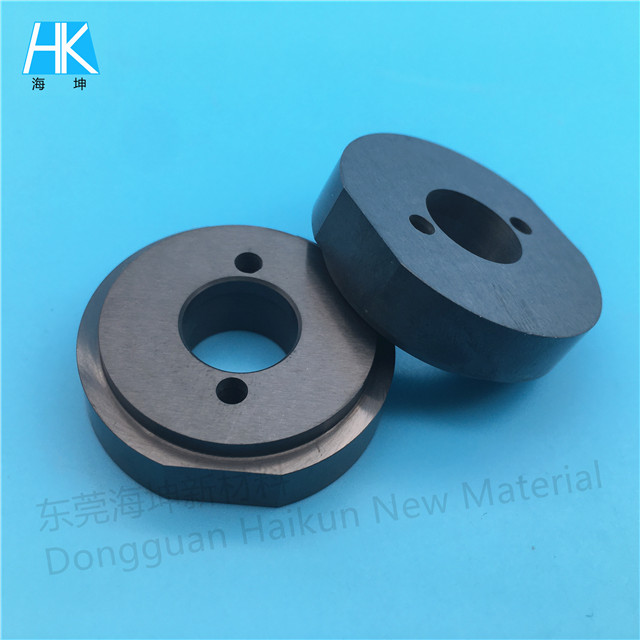
First, the conclusion: Under extreme wear-resistant conditions, silicon nitride ceramics are significantly superior to high-chromium products.
Under the following conditions:
High-speed friction
Particulate abrasion
Dry friction or insufficient lubrication
High-temperature or corrosive environment
The lifespan of silicon nitride ceramics is typically 3 to 10 times that of high-chromium products.
Why is this the case? Let’s continue with the key comparisons.
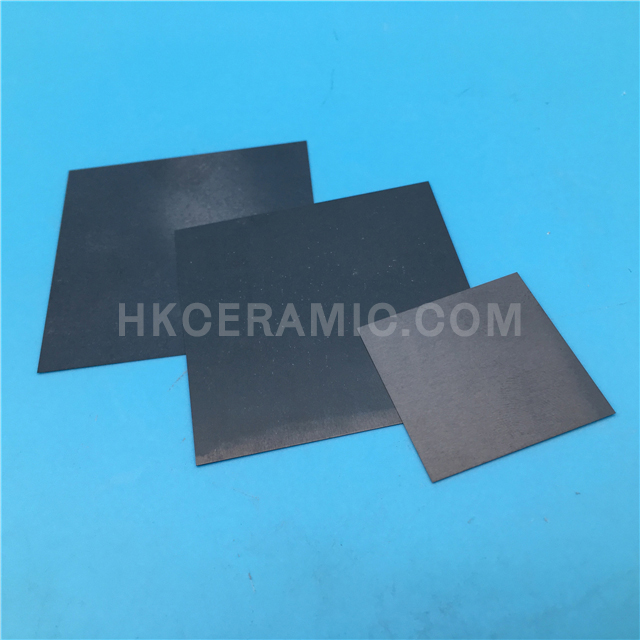
2. The inherent properties of the material determine the upper limit of wear resistance.
1.Silicon nitride ceramics: truly designed for wear resistance
Silicon nitride is a typical structural ceramic material that combines high hardness and high toughness.
Vickers Hardness: HV1550
Fracture Toughness: 6 MPa·m¹ᐟ² (significantly higher than ordinary ceramics)
Coefficient of Friction: as low as 0.1–0.2
High Temperature Stability: Can operate continuously at temperatures above 1000℃ (up to 1200℃)
Wear resistance depends not only on hardness, but also on being “not easily chipped, not easily cracked, and not easily fatigued”.
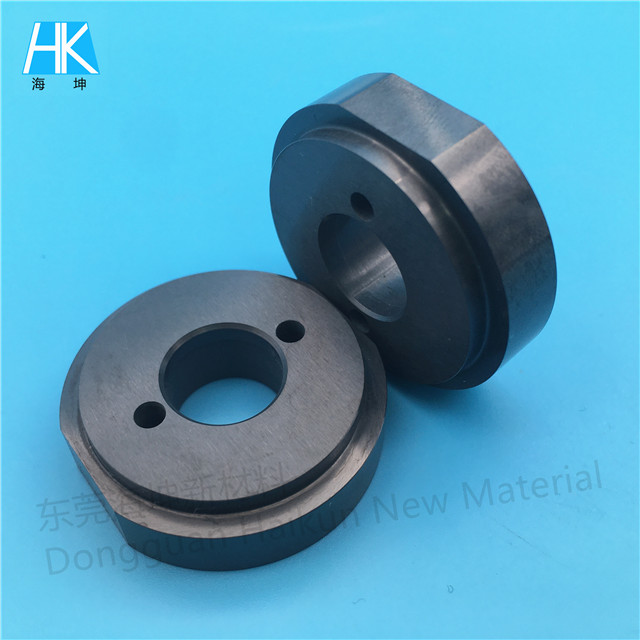
2.High-chromium products: wear-resistant but with obvious drawbacks
High-chromium cast iron relies on a large amount of hard carbides to improve its wear resistance.
Hardness: HRC 55–65
Relatively low cost
Decent impact resistance
However, its drawbacks are also very obvious:
Hard surface, limited internal toughness
Prone to peeling under prolonged erosion
Hardness decreases at high temperatures
Susceptible to oxidation and corrosion
Once the system enters high-speed or high-temperature operating conditions, wear will increase exponentially.
3. Key Comparisons of Wear Resistance Performance
| Comparison Projects | silicon nitride ceramics | High chromium products |
|---|---|---|
| hardness | ★★★★★ | ★★★★☆ |
| Wear life | ★★★★★ | ★★★☆☆ |
| Anti-particle erosion | ★★★★★ | ★★★☆☆ |
| High temperature wear resistance | ★★★★★ | ★★☆☆☆ |
| coefficient of friction | ★★★★★(Low) | ★★★☆☆ |
| Corrosion resistance | ★★★★★ | ★★☆☆☆ |
| Use stability | ★★★★★ | ★★★☆☆ |
| Initial costs | Medium and high | lower |
| Comprehensive cost | Lower (longer lifespan) | High (frequent replacements) |
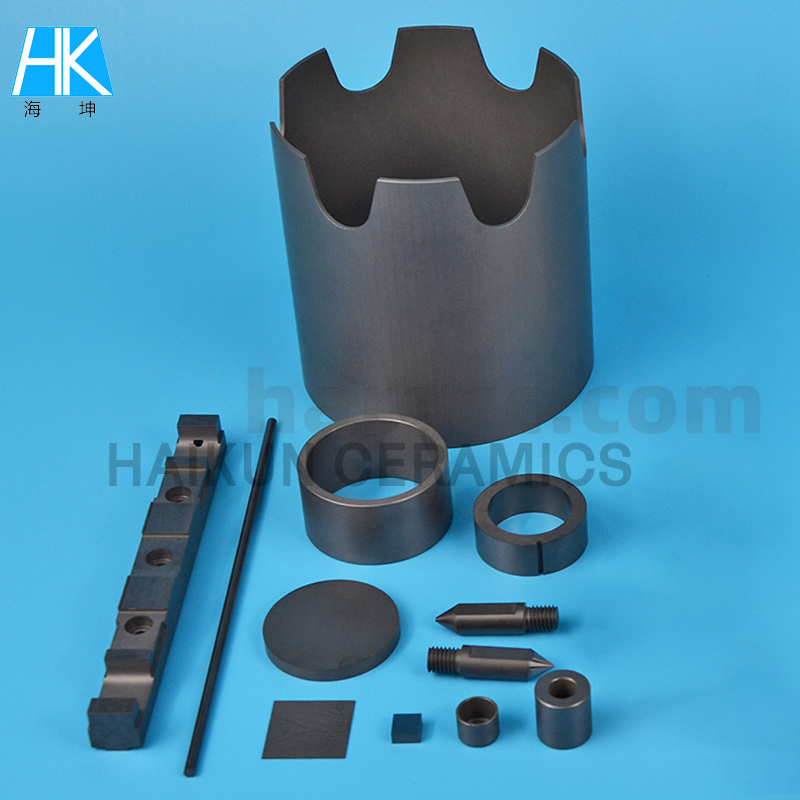
4. Why is silicon nitride, which "seems more expensive", actually cheaper?
When companies first encounter silicon nitride ceramics, they focus on the price per unit.
But you’ll only realize this after you’ve actually used it:
The real expense isn’t the materials, but the frequent downtime, repairs, and replacements.
The advantages of silicon nitride ceramics are:
Long service life
Minimal maintenance required
Rust-free and corrosion-free
Dimensionally stable and not prone to failure
In applications such as pumps and valves, classifiers, conveying systems, and wear-resistant liners, etc.
Replace the high-chromium chloride 5 times a year → No need to replace the silicon nitride for 3 years. This is the real feedback from many customers.
5. Typical application scenarios where silicon nitride ceramics are replacing high-chromium ceramics
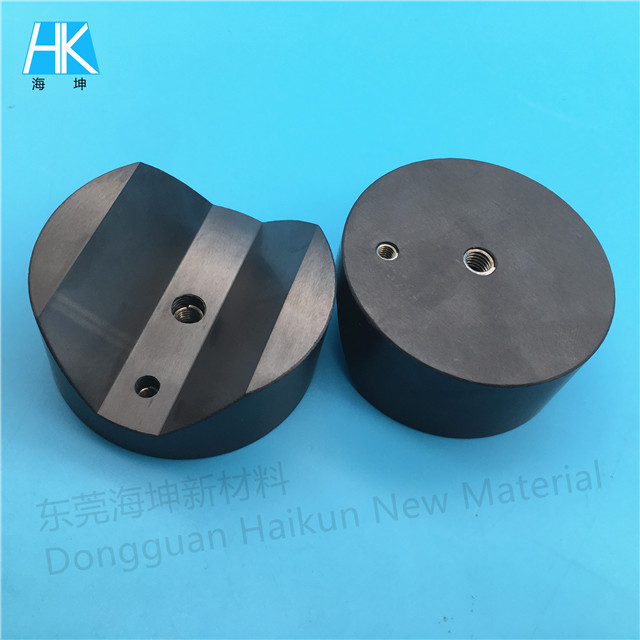
Pump and valve wear-resistant plates/seats
Hydrocyclone wear-resistant linings
Classifier and mixing equipment liners
Powder conveyor wear-resistant plates
High-speed sliding wear-resistant structural components
High-temperature wear-resistant parts
Especially in high-speed, particulate, and corrosive conditions, high chromium is clearly inadequate.
6. Why choose Haide Precision Ceramics' silicon nitride ceramics?
As a manufacturer specializing in custom structural ceramics, we offer:
High-density silicon nitride ceramic materials
Custom manufacturing based on provided drawings or samples
High-precision machining
Surface polishing / Functional structure optimization
ISO9001 Quality Management System
5000+ industry application cases
We don’t just sell products; we help you solve your wear resistance and lifespan issues.
Relevant information