
information centre / Industry Information / Is silicon nitride ceramic a new type of inorganic non-metallic material?
Is silicon nitride ceramic a new type of inorganic non-metallic material?
Introduction
With the continuous upgrading of specialty ceramic materials, more and more companies are paying attention to silicon nitride ceramics, a high-performance material. As the machinery, automotive, and semiconductor industries increasingly demand high-strength, high-wear-resistant, and high-reliability materials, silicon nitride ceramics (Si₃N₄) are rapidly becoming a star product in the engineering field. So, what kind of material is silicon nitride ceramics? Is it truly a new type of inorganic non-metallic material? The answer is: Yes, it not only belongs to inorganic non-metallic materials but is also one of the most promising high-performance structural ceramics today.
Quick Links
Contact Us
Live
E-mail:sales01@hkceramic.com
1. Is silicon nitride ceramic an inorganic non-metallic material?
Answer: Absolutely, and it belongs to the high-end category.
Materials can be broadly classified according to their composition and properties as follows:
Metallic materials (steel, copper, aluminum, etc.)
Polymer materials / Plastics
Inorganic non-metallic materials (glass, ceramics, refractory materials, etc.)
Ceramic materials are essentially derived from inorganic compounds (oxides, nitrides, carbides, etc.), formed through high-temperature sintering, and therefore naturally belong to the category of inorganic non-metallic materials.
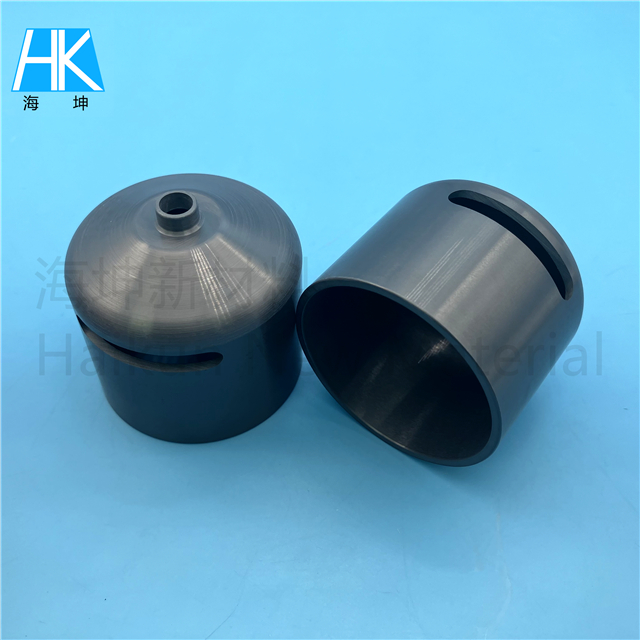
Silicon nitride ceramics are prepared by high-temperature sintering of Si₃N₄ nitride powder. They have a stable structure, high hardness, and high strength, making them a typical and high-performance inorganic non-metallic material.
2. Why is silicon nitride ceramic considered a "new type of material"?
Compared to traditional ceramics such as alumina and zirconium oxide, silicon nitride ceramics appeared later and have stronger performance, therefore they are classified as:
Novel structural ceramics / high-performance special ceramics
It is considered “new” primarily for the following reasons:
1. With a unique crystal structure, its overall performance far surpasses that of traditional ceramics.
Silicon nitride’s covalent crystal structure gives it exceptionally rare and comprehensive properties among ceramics:
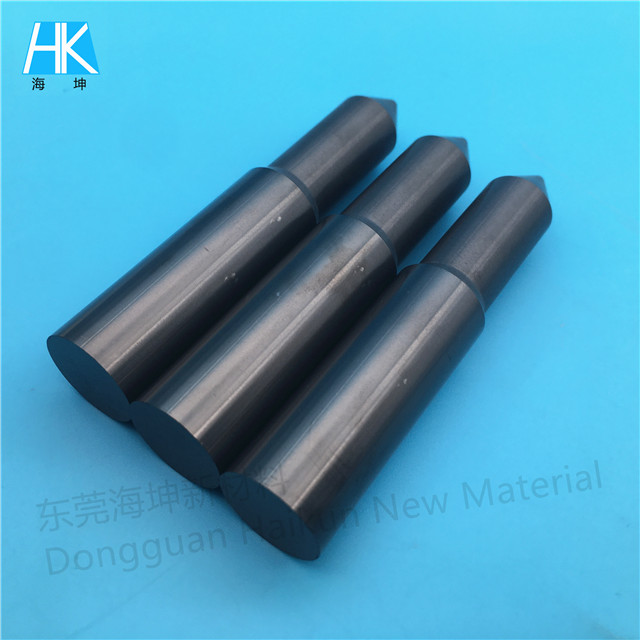
High strength (flexural strength > 600 MPa)
Excellent thermal shock resistance
High fracture toughness (greater than 6 MPa·m¹/²), unmatched by ordinary ceramics
High hardness (HV 1550)
Excellent wear resistance and high-temperature resistance (≥1200℃)
Low coefficient of thermal expansion (not prone to thermal cracking)
In short, it is a ceramic with “good heat resistance, high strength, good toughness, and is not easily broken.”
2. The manufacturing technology is advanced, and the sintering process has very high requirements.
Silicon nitride is commonly produced using advanced processes such as hot press sintering (HP), gas pressure sintering (GPS), and hot isostatic pressing (HIP).
These processes have high technological barriers, making them truly novel high-performance materials.
3. Its application areas belong to emerging high-end industries.
Silicon nitride is widely used in:
New energy vehicle motor bearings, ceramic balls
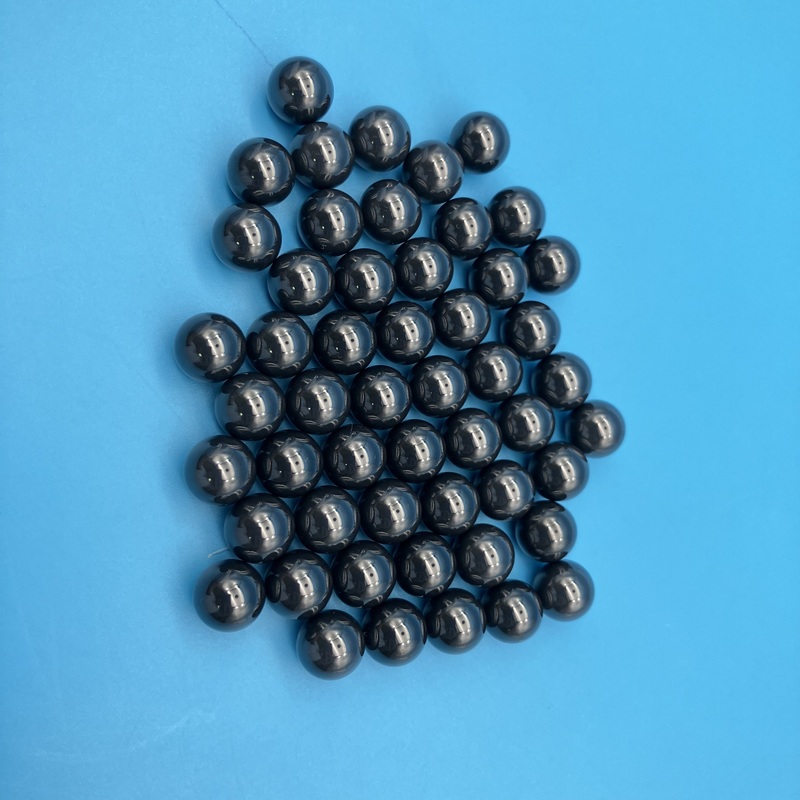
Semiconductor equipment
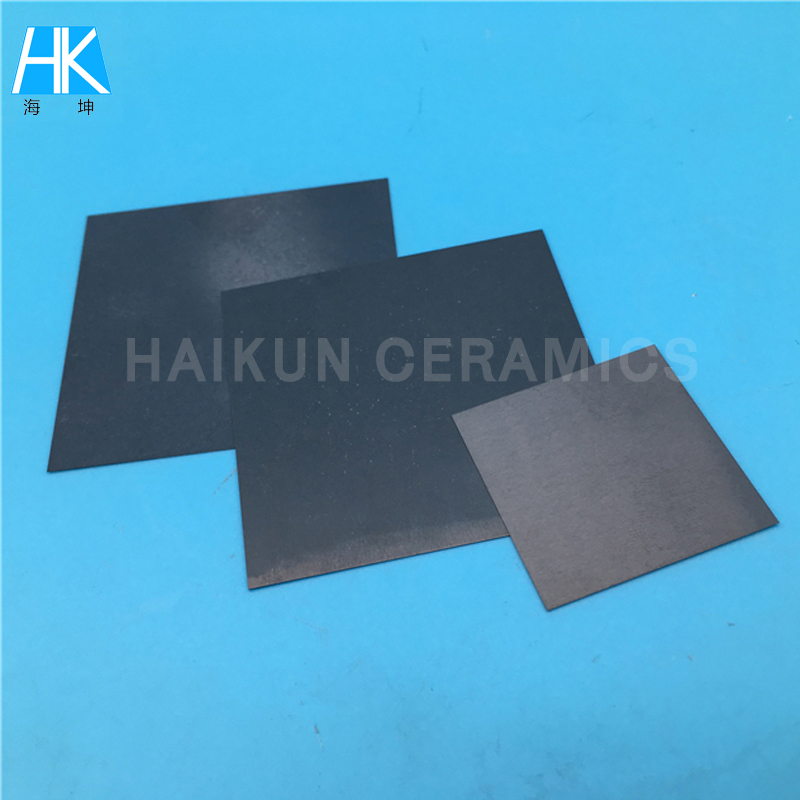
High-Temperature Mechanical Parts
Wear-resistant sliders, valve plates, punches
Aerospace components
High-speed cutting tools
These are all industries that have developed rapidly in recent years, which makes silicon nitride naturally regarded as a “new type of engineering material”.
3. Core characteristics of silicon nitride ceramics: Why are more and more people choosing it?
1. Excellent thermal shock resistance and high temperature resistance up to 1200℃ and above
Silicon nitride ceramics can withstand rapid cooling and heating (instantaneous temperature difference of 500℃) in working environments, and will not oxidize or soften at high temperatures, maintaining high strength.
2. High strength and not easily broken
Compared to traditional ceramics which are prone to cracking, silicon nitride has extremely high bending strength and impact resistance, making it “one of the least brittle ceramics”.
3. Low coefficient of friction and high wear resistance
Especially suitable for:
Gas bearings
High-speed moving parts
Mechanical parts in high-wear environments
4. Significant advantages in lightweight design
Its density is only about 40% of that of steel, making it particularly suitable for new energy vehicles and the aerospace industry.
5. Corrosion resistant and unaffected by acids and alkalis
As an inorganic non-metallic material, it hardly reacts with most chemical substances.
4. Typical application scenarios of silicon nitride ceramics
High-speed bearing ceramic balls
No heat generation at high speeds, no seizing, lifespan increased several times.
Automotive turbocharger rotors
High temperature resistance far surpasses that of metals.
Semiconductor testing fixtures and jigs
Non-deformable, highly insulating, chemically resistant.
Wear-resistant mechanical parts
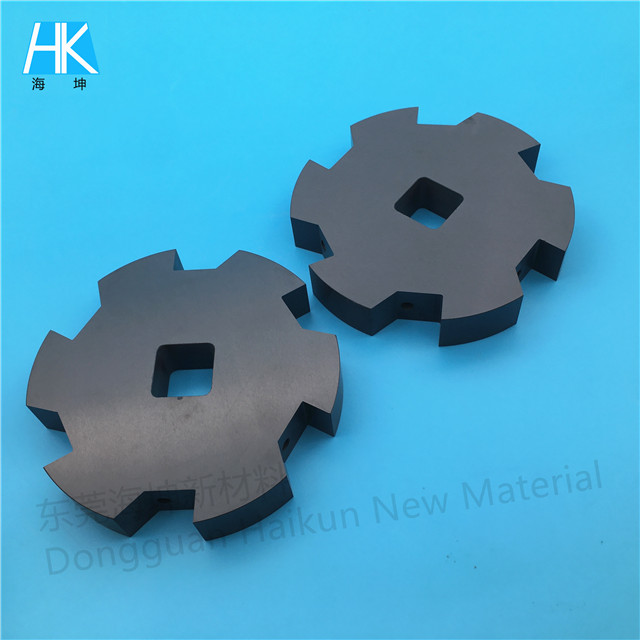
Such as valve cores, nozzles, plungers, guide devices, etc.
Cutting tools
Suitable for difficult-to-machine materials such as cast iron and high-temperature alloys
Silicon nitride ceramics perform exceptionally well in almost all environments requiring high strength, high temperature, and high speed.
5. Conclusion: Silicon nitride ceramics—a truly novel high-performance inorganic non-metallic material
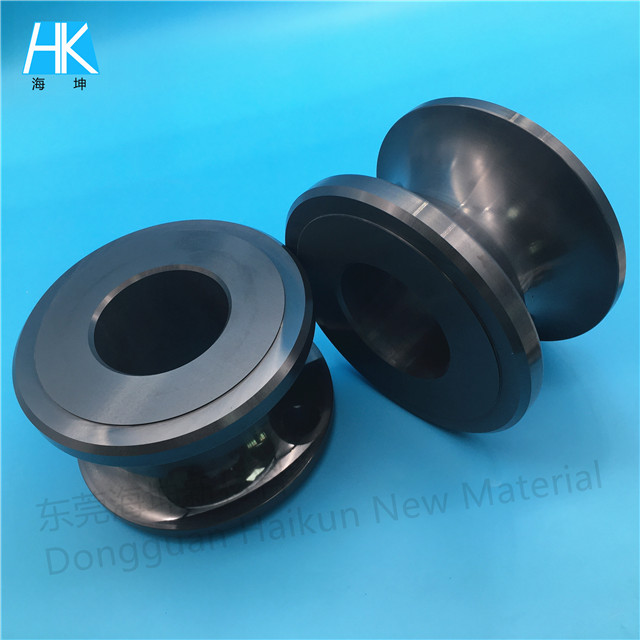
Silicon nitride ceramics not only belong to inorganic non-metallic materials, but are also among the top performers in this field. They possess numerous advantages, including thermal shock resistance, strength, toughness, wear resistance, temperature resistance, and lightweight properties, and their position in emerging industries is rapidly rising.
For companies seeking product reliability, lightweight design, and longer lifespan,
silicon nitride ceramics are a high-end material option worthy of close attention.
Relevant information