Ceramic material

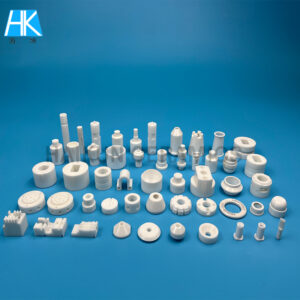
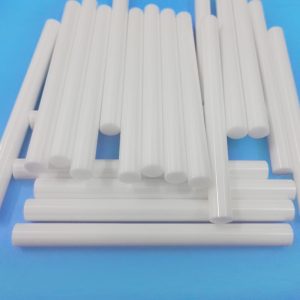
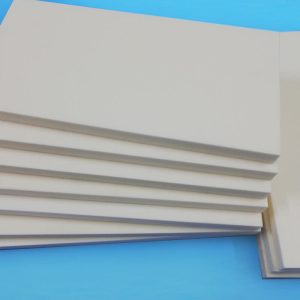
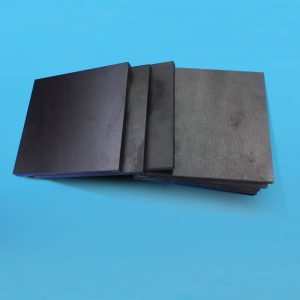
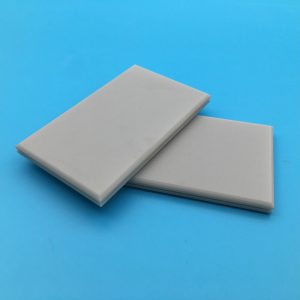
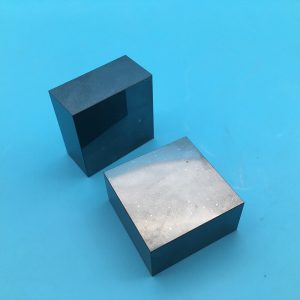
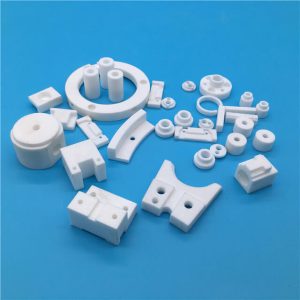
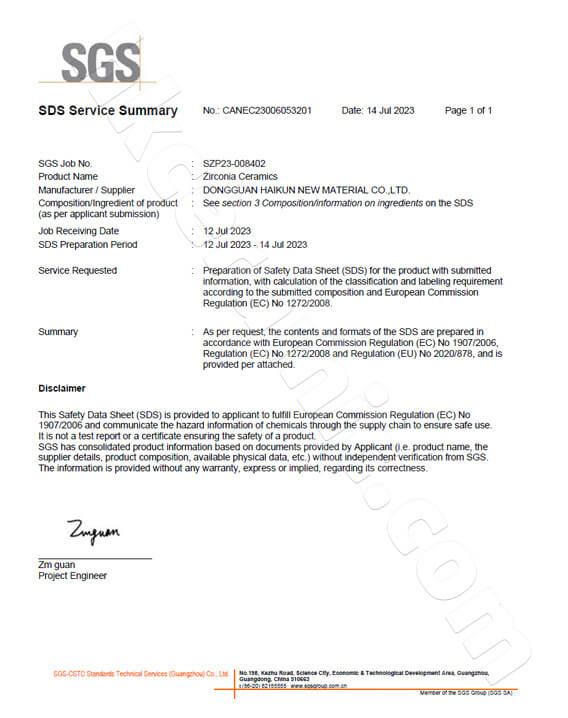
Welcome to our Precision Ceramics Materials page! Here you’ll find a wide array of precision ceramic materials, including zirconia, alumina, silicon nitride, aluminum nitride, and more. Renowned for their excellent high-temperature resistance, corrosion resistance, insulation properties, and outstanding mechanical performance, precision ceramics are extensively used in electronics, automotive, chemical, aerospace, and other industries. Here, you can quickly explore the key characteristics of each precision ceramic material, such as hardness, thermal conductivity, coefficient of thermal expansion, and use our comparison tools to find the material that best suits your application needs. Whether you’re looking for wear-resistant components for high-temperature environments, components requiring electrical insulation, or materials for other specific applications, we are committed to providing you with accurate, comprehensive information and support. Let’s explore the limitless possibilities of precision ceramics together!
Are zirconia ceramic parts easy to machine? The key lies not in the material, but in the process.

Category:Ceramic material, Industry Information
In the field of precision ceramics, zirconia is often labeled with two tags: "excellent performance" and "difficult to process." So the question arises—are zirconia ceramic parts actually easy to process? The answer is: 👉 The material itself is difficult, but with the right processing techniques, it's not.

The relationship between ceramics and semiconductors—why is there no real semiconductor manufacturing without ceramics?

Category:Ceramic material, Industry Information
When people talk about semiconductors, they often think of chips, silicon wafers, and manufacturing processes, but rarely notice a "behind-the-scenes hero"—precision ceramics. In fact, from wafer manufacturing to packaging and testing, from equipment operation to long-term stability, ceramic materials are present throughout the entire semiconductor industry chain. It can be said that without high-performance ceramics, there would be no highly reliable semiconductors.

The characteristics and uses of special ceramics – why is high-end manufacturing inseparable from them?

Category:Ceramic material, Industry Information
In high-end manufacturing fields such as new energy, semiconductors, aerospace, and medical devices, a material is quietly replacing metals as the preferred choice for core components—specialty ceramics. Unlike metals, they don't have a visible weight, yet they play a crucial role under extreme operating conditions. So, what are the characteristics of specialty ceramics? And where can they be used?

Which is more wear-resistant, silicon nitride ceramic products or high-chromium products?

Category:Ceramic material
In high-wear environments such as mining, metallurgy, pumps and valves, chemicals, and machinery, **wear resistance** almost entirely determines the lifespan and maintenance costs of equipment. For a long time, **high-chromium alloys (high-chromium cast iron)** have been considered the "old-school material" in the field of wear resistance. However, in recent years, more and more companies have begun to use silicon nitride ceramic products (Si₃N₄) to replace high-chromium products. So the question arises: 👉 Which is more wear-resistant, silicon nitride ceramic products or high-chromium products? The answer is far more technical than simply "which is harder."

Which is better for heat dissipation: ceramic heat sinks or aluminum heat sinks? A real comparison tells you the answer.

Category:Ceramic material, Industry Information
In today's world where electronic products are constantly striving for higher power, smaller size, and greater stability, the importance of heat dissipation materials has risen to the core of product lifespan and performance. In the past, most companies were accustomed to using aluminum heat sinks. However, in recent years, a new trend has emerged: more and more mid-to-high-end companies are turning to ceramic heat sinks (alumina/aluminum nitride). So, are ceramic heat sinks reliable? Compared to aluminum heat sinks, which is better? Below, we'll use real data and practical applications to tell you the answer.

Zirconia Guide Tube Design – a Precision Fluid Solution With High Wear Resistance and High Smoothness.

Category:Ceramic material, Industry Information
In fields such as high-pressure liquid transportation, spraying equipment, metering systems, and chemical fluid handling, flow guides play a crucial role in "precise guidance" and "stable flow control." As industry demands for wear resistance, stability, and service life continue to increase, the performance limitations of traditional metal and plastic flow guides are becoming increasingly apparent. Therefore, flow guides made of high-performance zirconia ceramics are becoming the preferred choice for more and more companies.

Why are more and more companies choosing ceramic plungers instead of metal ones?

Category:Ceramic material, Industry Information
In industries such as hydraulics, electric spraying, metering pumps, high-pressure cleaning, and fluid transfer, plungers are core components, and their lifespan and stability directly affect the overall performance of the machine. In the past, metal plungers were widely used due to their mature manufacturing process and low cost. However, in recent years, more and more companies have begun to proactively upgrade their plungers to precision ceramic plungers. Why is this trend occurring? What industry pain points do ceramic plungers actually solve?

Can ceramic carving be done with laser engraving? This article tells you the truth!

Category:Ceramic material, Industry Information
With the increasingly widespread application of precision ceramics, from industrial structural components to artistic ornaments, "ceramic carving" has become a hot topic of interest for many businesses and individuals. So, the question arises: Can ceramics be laser-carved? And what are the results?