
information centre / Industry Information / Which is more wear-resistant, alumina ceramics or zirconia ceramics? This article explains the real differences.
Which is more wear-resistant, alumina ceramics or zirconia ceramics? This article explains the real differences.
Introduction
In the fields of industrial machinery, seals, pumps, valves, nozzles, and bushings, one of the most important performance concerns for companies is: which has stronger wear resistance – alumina ceramic or zirconia ceramic? Although both are high-performance engineering ceramics, their wear resistance differs. If you’re unsure which to choose, this article will clarify everything for you.
Quick Links
Contact Us
Live
E-mail:sales01@hkceramic.com
1. First, look at the essence: the structural differences between the two materials.
Dense structure, high hardness
Mature and stable, high cost-performance ratio
Good wear resistance, suitable for most industrial applications
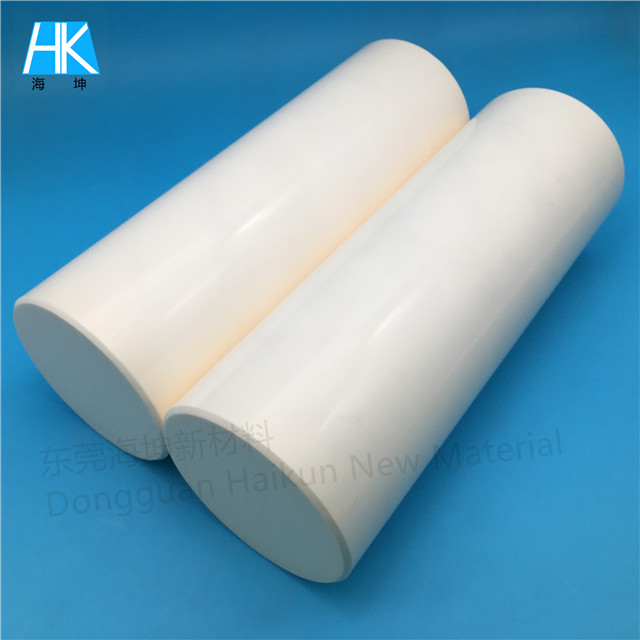
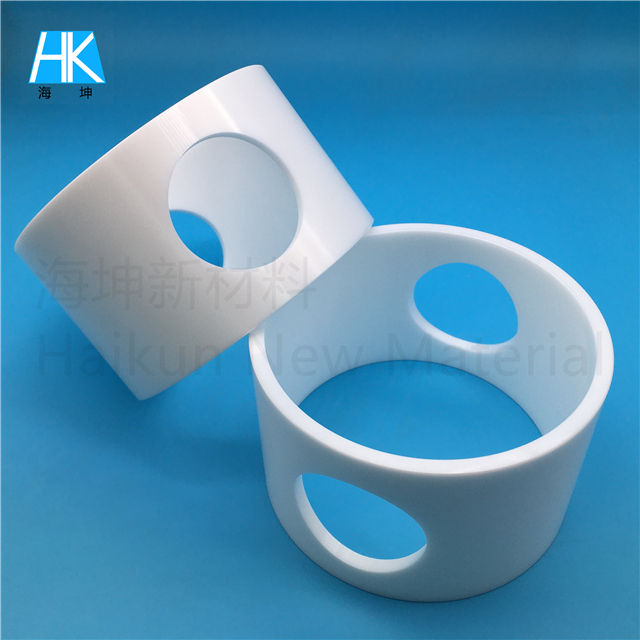
Zirconia ceramics (ZrO₂)
Significantly higher toughness than alumina
High hardness + high impact resistance
In addition to wear resistance, it can also withstand strong impact loads
Simply put: Alumina is hard, zirconia is hard + tough.
2. The real key: Which is more wear-resistant?
Conclusion first: In most cases, zirconia ceramics exhibit stronger wear resistance than alumina.
Why?
① Zirconia has high toughness and is less prone to chipping.
The phase transformation toughening mechanism of zirconia gives the material a “self-strengthening” ability:
Flexural strength reaches approximately 800 MPa
Fracture toughness reaches 9 MPa·m¹/² (alumina only 3–4)
Higher toughness means stronger impact resistance, greater resistance to chipping, and better wear resistance.
② Zirconia has relatively low hardness, but superior resistance to fretting wear.
Zirconium oxide hardness: around 1200 HV
Alumina hardness: 1500–1600 HV (higher, but more brittle)
Although alumina is harder, high hardness ≠ wear resistance.
Zirconium oxide, relying on its high fracture toughness and phase transformation toughening mechanism, actually exhibits stronger resistance to fretting and impact wear in actual working conditions:
Zirconium oxide is less prone to edge chipping and crack propagation.
It experiences lower wear under vibration, impact, and reciprocating friction conditions.
It has high material density and a more stable coefficient of friction.
Therefore:
Alumina has higher hardness;
Zirconia is more durable against fretting wear and impact wear.
③ The material has better density and lower wear.
Zirconia sintering results in a density close to 100%, with fewer microscopic defects, leading to:
a low coefficient of friction
minimal wear
and a surface less prone to pitting
This is why zirconia is commonly used in precision bushings, pistons, pumps, and valves.
3. Differences in wear resistance based on application scenarios
| Application scenarios | Recommended materials | reason |
|---|---|---|
| High impact wear (sleeves, bearings, plungers) | Zirconia | High toughness, no chipping, smooth surface, and good self-lubricating properties |
| High-speed friction and reciprocating wear (valve core, nozzle) | Zirconia | Smooth surface, good self-lubricating properties, and strong wear resistance |
| Standard wear-resistant parts, cost-sensitive | Alumina | Low cost and sufficiently wear-resistant |
| High-temperature wear (>800℃) | Alumina | Zirconia strength decreases at high temperatures |
| Requirements: corrosion resistance + wear resistance | Both are acceptable, but zirconium oxide is superior. | Depends on the medium and cost |
4. Which one is more wear-resistant? In short...
For everyday industrial wear resistance, alumina is good enough;
for extreme, high-impact, and high-precision wear resistance, zirconia is significantly more wear-resistant.
If you are looking for:
longer service life
extremely low wear
strong impact resistance
stable performance in harsh environments
then zirconia ceramics are generally the better choice.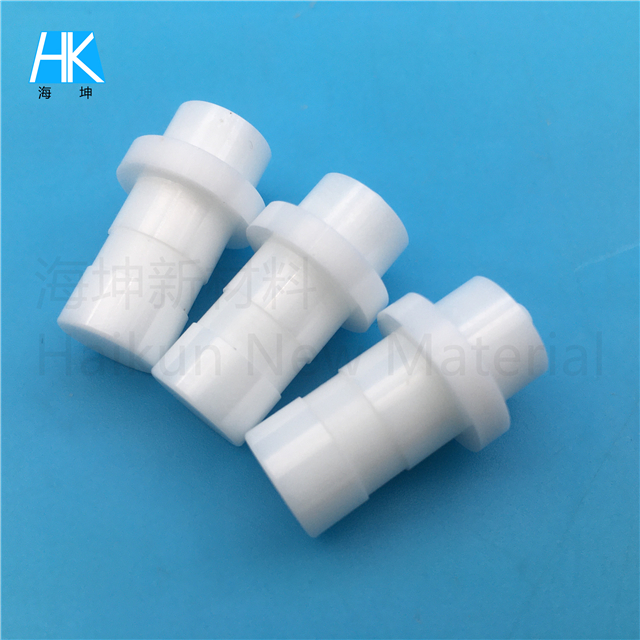
5. Industry Trends: Wear-resistant parts are shifting from alumina to zirconia.
With equipment upgrades, improved processing precision, and increased high-load operating conditions, more and more companies are choosing:
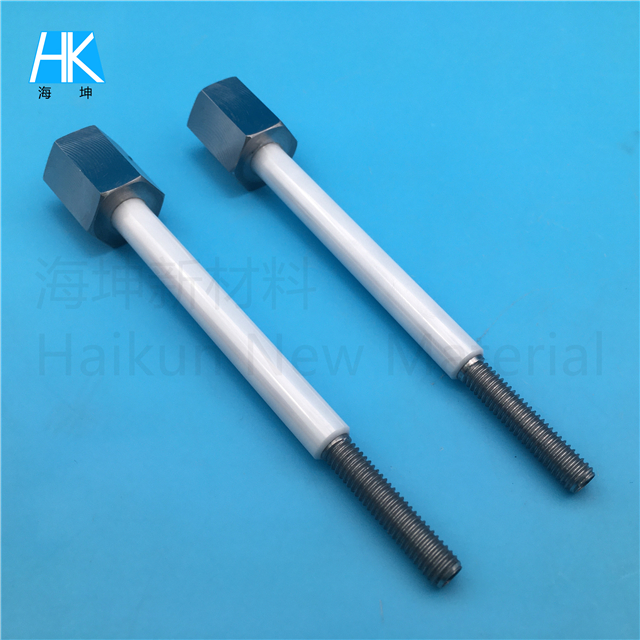
Zirconia plunger
Zirconium oxide valve core
Zirconium oxide bushing
Zirconium oxide abrasive nozzle
Zirconium oxide guide
The reason is simple: longer lifespan, less downtime, and lower overall cost.
6. What does Hyde offer?
We offer custom processing services for:
Alumina/zirconia wear-resistant parts
High-precision grinding and polishing
Non-standard structural parts processing based on provided drawings
Batch production stability control
High-density, high-strength ceramic material formulations
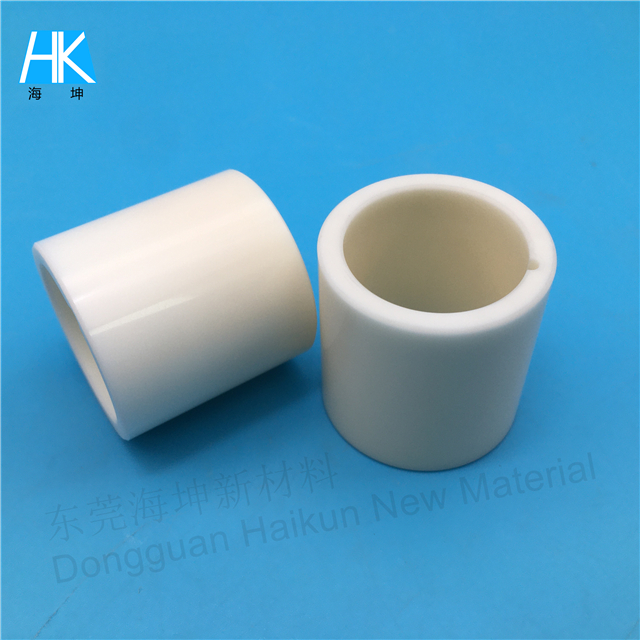
Supported industries: machinery and equipment, pumps and valves, textiles, fluid processing, spraying, automation equipment, etc.
Relevant information